
Unveiling the Sparks of Intelligence: The Dawn of Artificial Intelligence
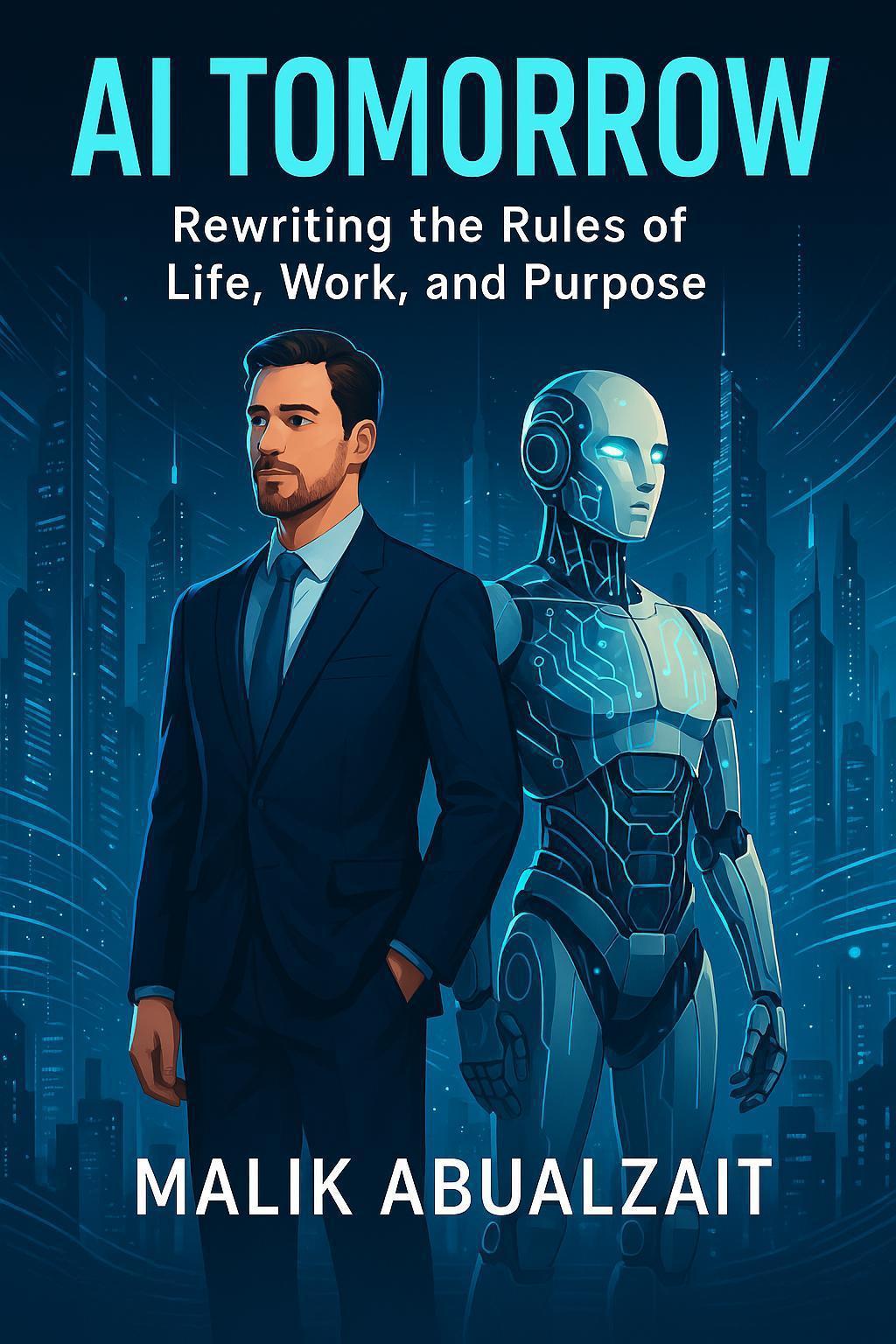
As we step into a future where machines are increasingly capable of intelligent thought, it's essential to understand the rich history that has led us here. In Chapter 1 of "AI Tomorrow: Rewriting the Rules of Life, Work and Purpose" by Malik Abualzait, we embark on a fascinating journey through the evolution of artificial intelligence (AI). From ancient myths to modern breakthroughs, this article will delve into the sparks of intelligence that have ignited the AI revolution.
The Origins of Artificial Intelligence
Artificial intelligence has been a topic of fascination for centuries. In ancient Greece, myths told of automatons – mechanical beings imbued with life. These fantastical tales predated the scientific exploration of AI by millennia. However, it was only in the mid-20th century that the concept began to take shape as we know it today.
In 1950, Alan Turing posed a provocative question: "Can machines think?" His test, now legendary, envisioned a machine indistinguishable from a human in conversation. Just six years later, the term "artificial intelligence" was coined at the 1956 Dartmouth Conference, and a new field of science was born (Abualzait, Chapter 1). For a deep dive into this topic, see Chapter 1 in Malik Abualzait's comprehensive guide available on Amazon.
The Early Days of AI
The early days of AI saw significant breakthroughs. In the 1960s and 1970s, researchers began exploring rule-based systems and expert systems. These developments laid the groundwork for modern AI. However, it wasn't until the advent of machine learning (ML) in the 1990s that AI truly started to gain momentum.
Machine learning enabled machines to learn from data, without being explicitly programmed. This shift marked a significant turning point in AI's history. As Abualzait notes in his book, "The development of machine learning was a crucial step towards creating intelligent machines" (Abualzait, Chapter 1). Today, ML is at the heart of many AI applications.
Real-World Applications
Artificial intelligence has far-reaching implications for various industries and aspects of society. Let's take a look at some practical examples:
- Healthcare: AI-assisted diagnosis and treatment planning have improved patient outcomes.
- Finance: AI-driven systems can detect anomalies in financial transactions, preventing fraudulent activities.
- Education: Personalized learning platforms utilize AI to tailor educational content to individual needs.
Key Takeaways
As we continue to navigate the AI landscape, it's essential to grasp its history and evolution. Here are some key takeaways from Chapter 1:
- AI has a rich history: From ancient myths to modern breakthroughs, AI has been a topic of fascination for centuries.
- Machine learning is crucial: The development of ML marked a significant turning point in AI's history.
- Real-world applications abound: AI has far-reaching implications for industries and aspects of society.
As we step into an era where machines are increasingly capable of intelligent thought, it's essential to understand the sparks of intelligence that have ignited the AI revolution. In Chapter 1 of "AI Tomorrow: Rewriting the Rules of Life, Work and Purpose" by Malik Abualzait, we've explored the origins of AI, its early days, and real-world applications.
To master the history and evolution of AI, get your copy of 'AI Tomorrow: Rewriting the Rules of Life, Work and Purpose' by Malik Abualzait on Amazon: https://www.amazon.com/dp/B0FXV2LB56. With this comprehensive guide, you'll be well-equipped to navigate the AI landscape and harness its potential for a brighter future.
References:
- Abualzait, M. (Author). (2023). AI Tomorrow: Rewriting the Rules of Life, Work and Purpose. [Amazon]. https://www.amazon.com/dp/B0FXV2LB56
By Malik Abualzait